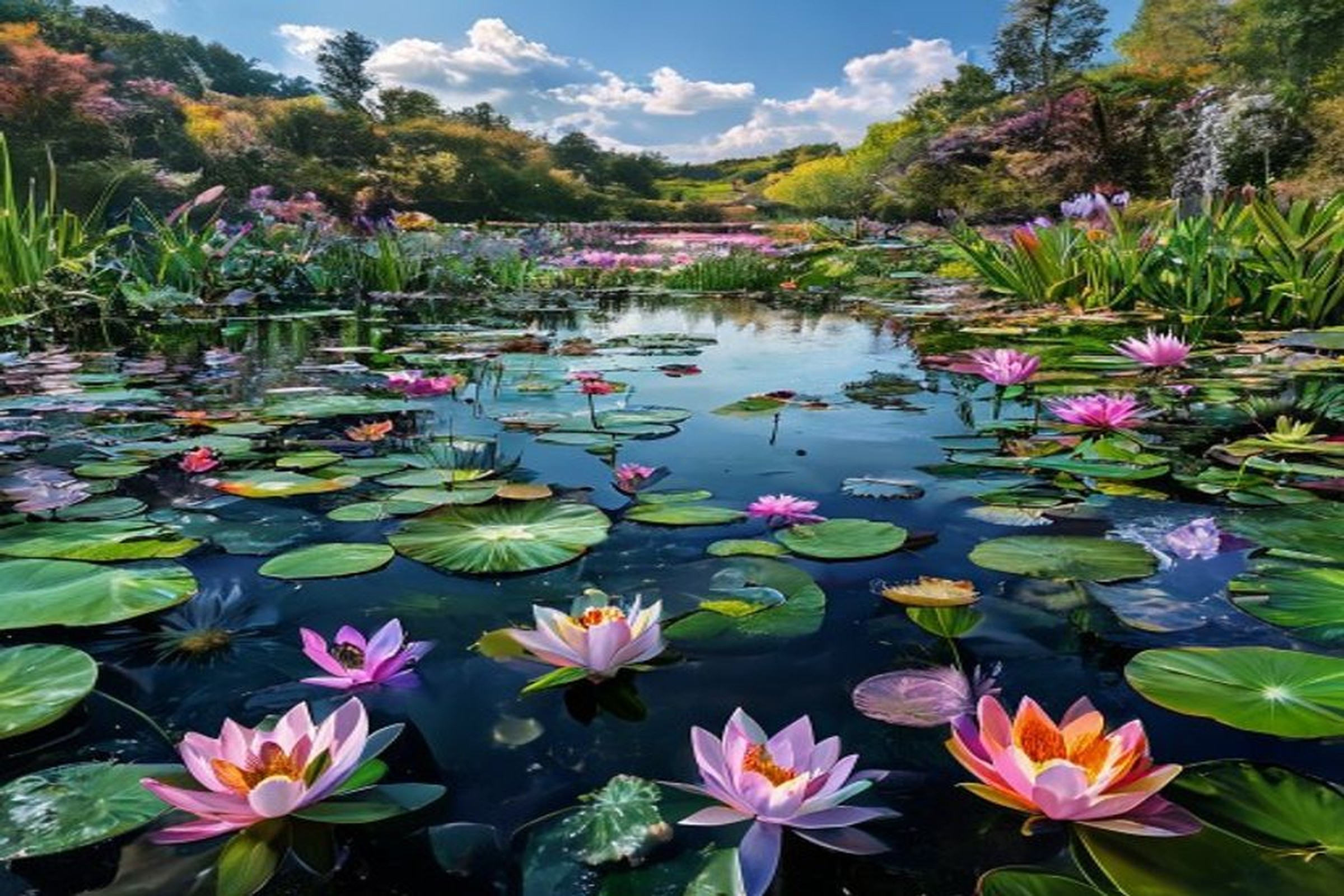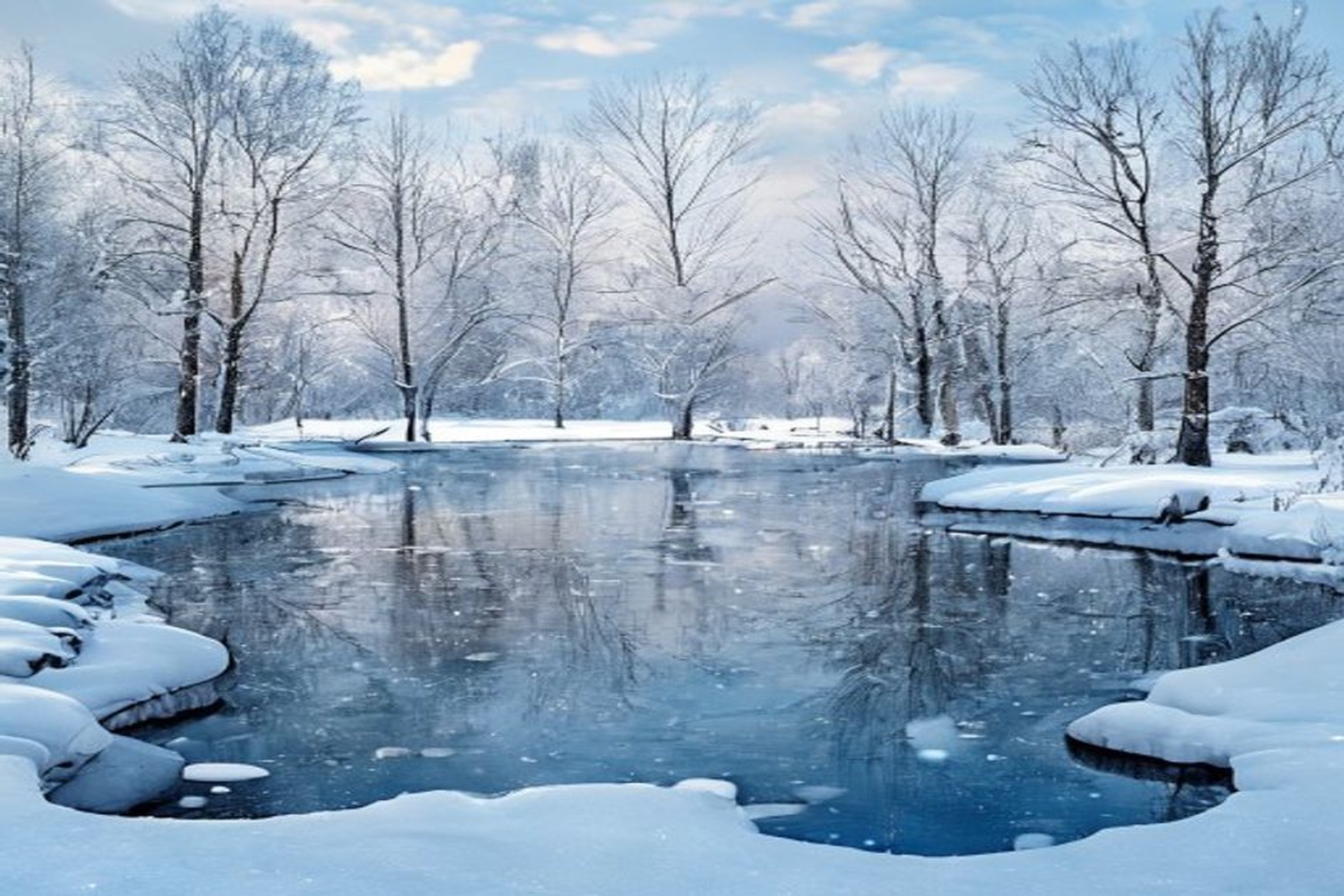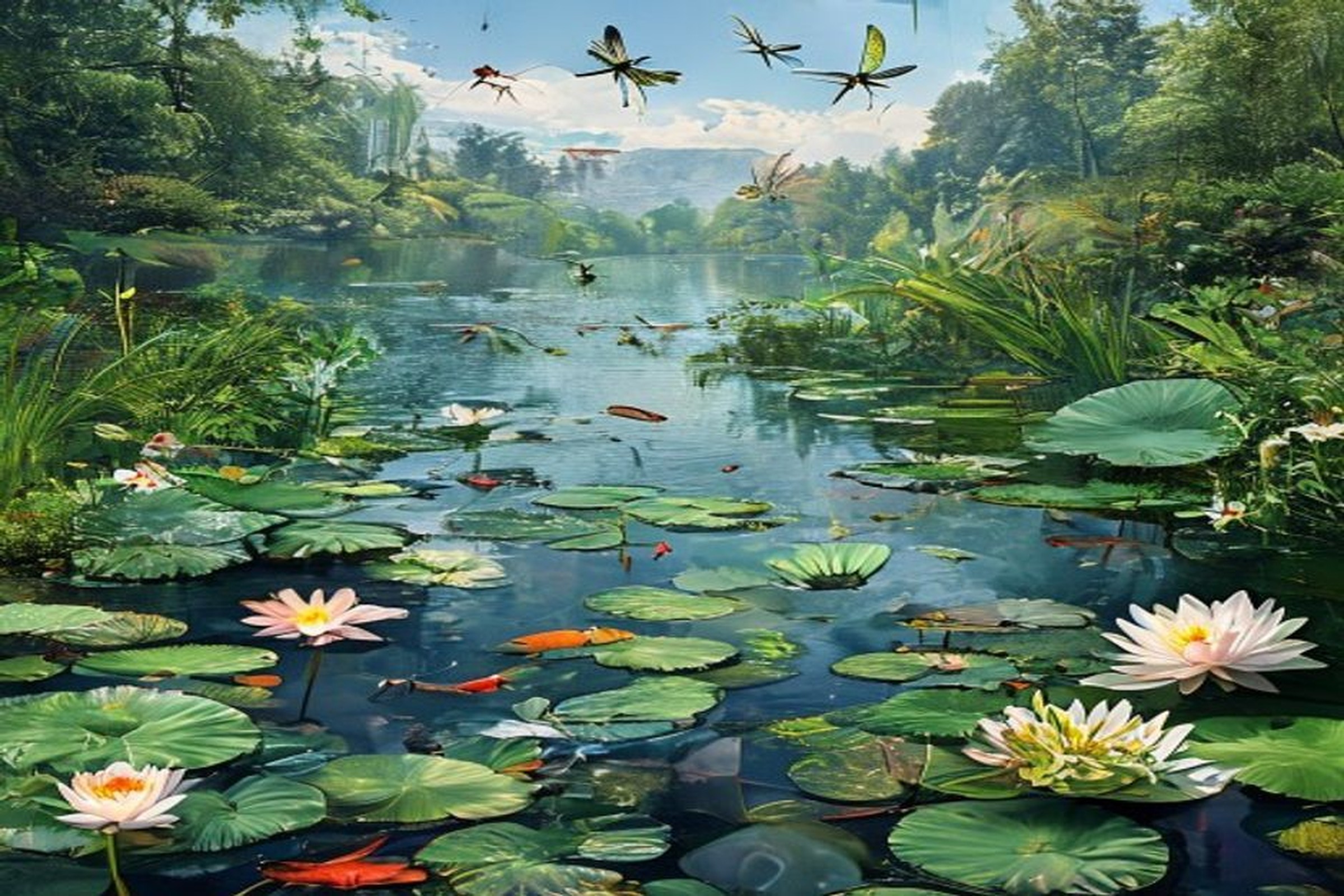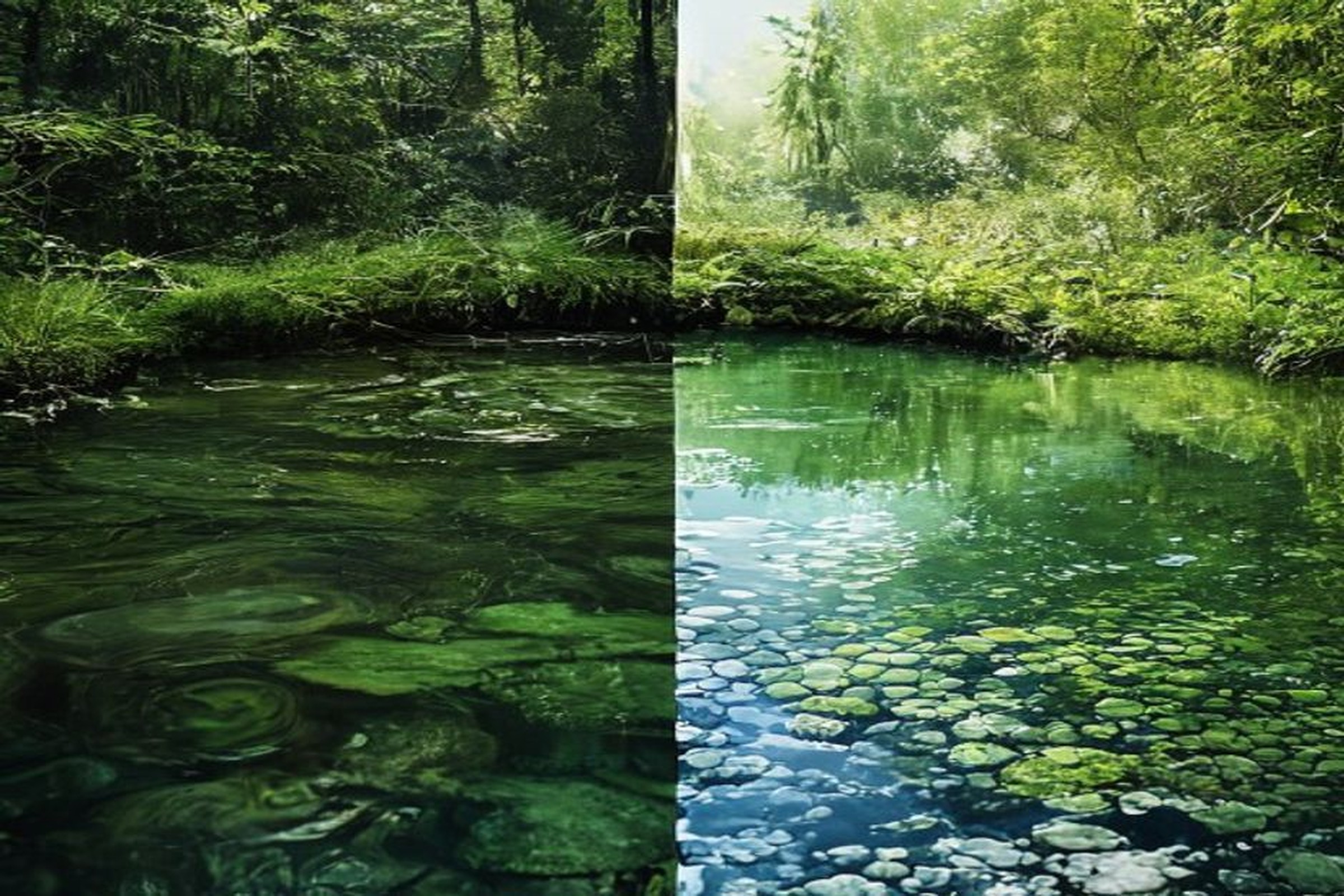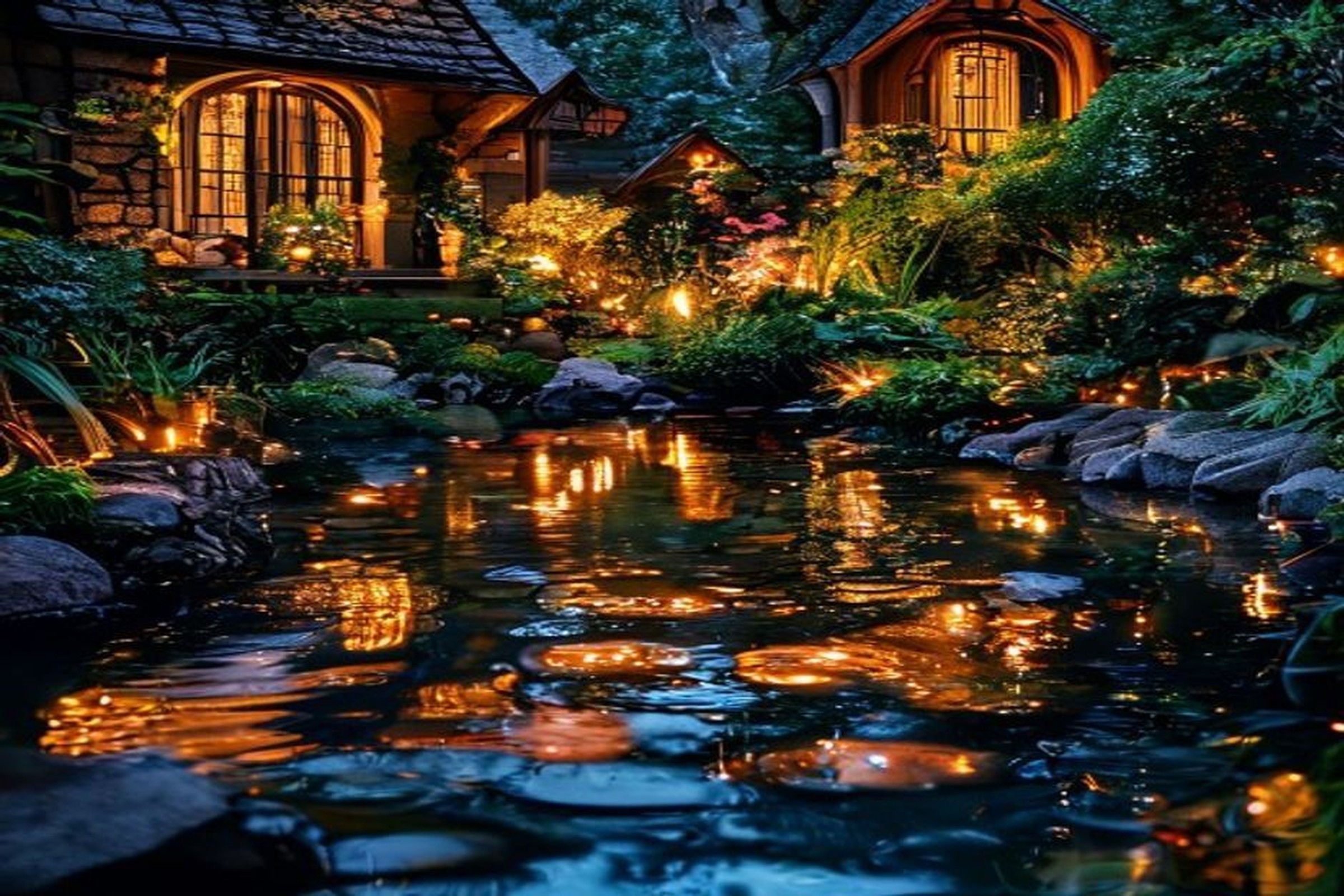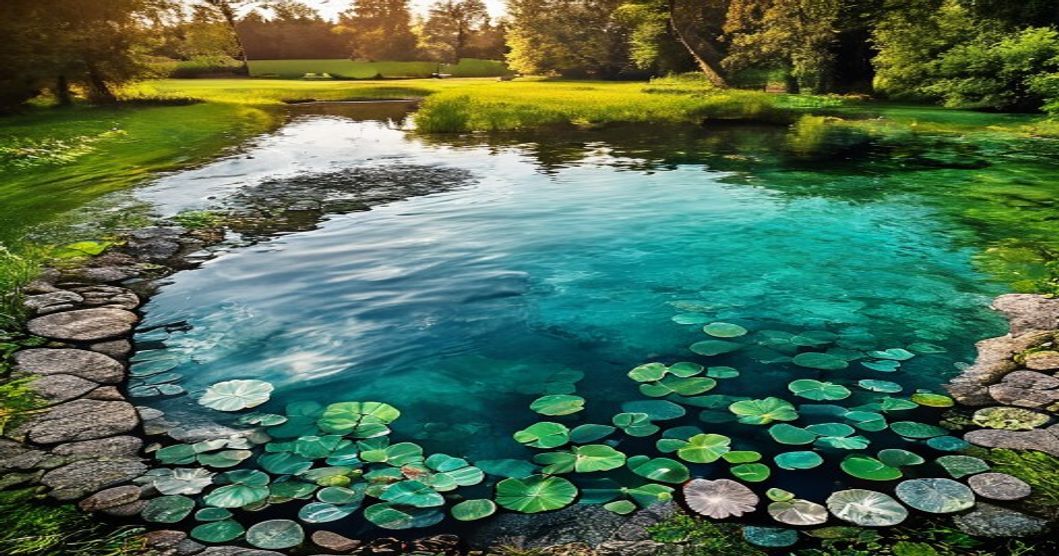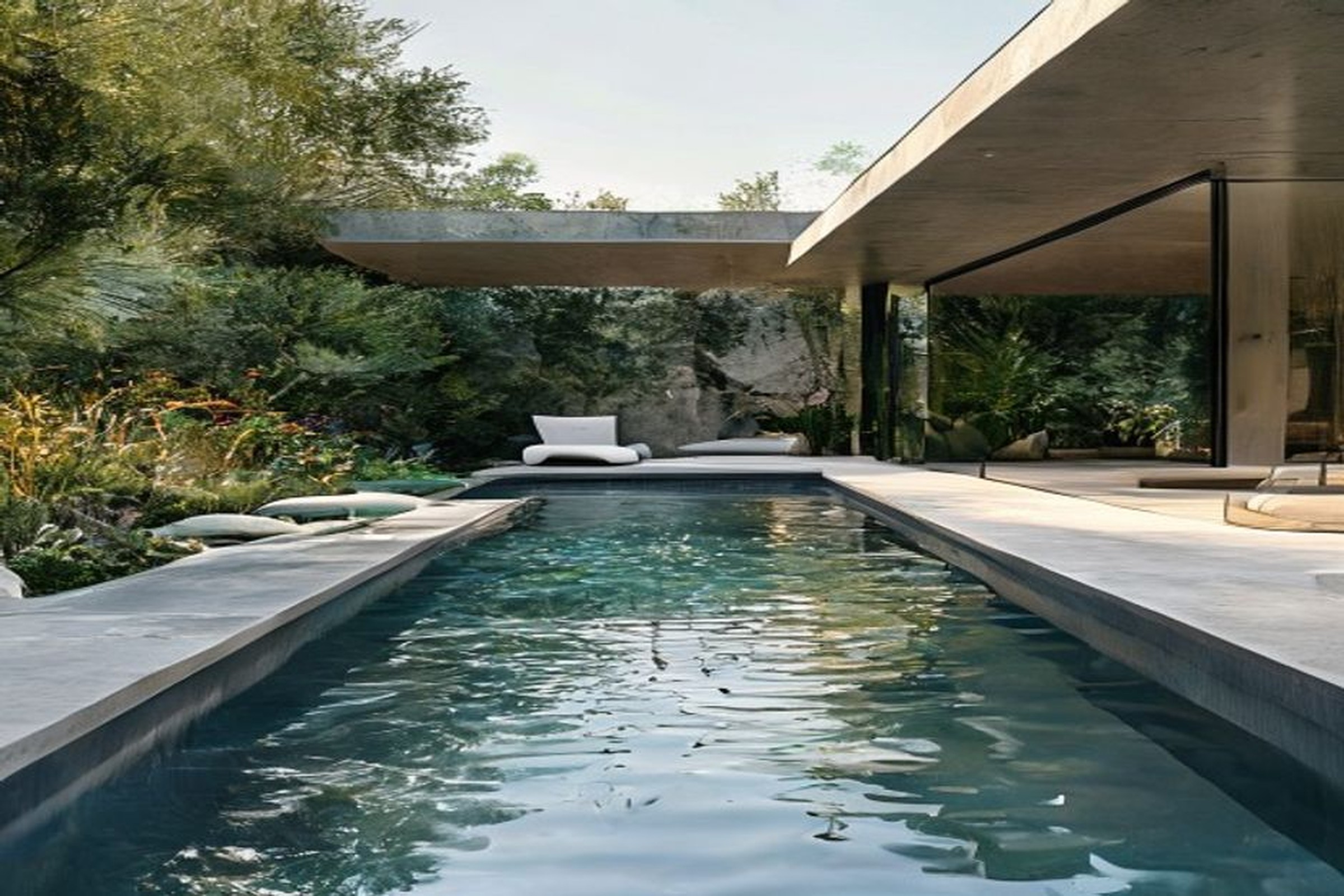
The design of water gardens is constantly evolving, influenced by new technologies, the growing desire to live in harmony with nature, and international trends in landscape architecture. The year 2026 brings significant changes in the way we view ponds, natural pools, and water features in gardens. From smart solutions controlled by phone to approaches that put biodiversity first, current trends reflect a maturing market in Romania and throughout Transylvania. In this article, the Iazuri Naturale team presents the most important design directions for water gardens in 2026, with practical tips you can apply regardless of the size of your available space.
Natural pools: the chemical-free alternative
The strongest trend of 2026 is, without doubt, the natural pool - a concept that combines the pleasure of swimming with a living ecosystem, without a single drop of chlorine or chemical substances. The popularity of these pools has grown exponentially over the past three years, and in Romania we are seeing an ever-increasing demand from homeowners who want a healthy alternative to conventional pools.
The operating principle is simple yet ingenious: the natural pool is divided into two distinct zones - the swimming zone and the regeneration zone. The swimming zone provides clean, crystal-clear water, while the regeneration zone functions as a living biological filter, populated with aquatic plants that absorb nutrients and maintain the water's chemical balance.
Recommended dimensions and proportions
For a functional natural pool, we recommend a minimum total area of 50 sqm, of which the regeneration zone should occupy at least 40-50% of the total surface. The swimming zone depth varies between 1.5 m and 2.2 m, while the regeneration zone typically ranges from 0.3 m to 0.8 m in depth, organized across multiple levels to accommodate various plant species.
- Swimming zone - depth 1.5-2.2 m, smooth bottom of compacted gravel or EPDM membrane covered with gravel
- Regeneration zone - planted with reed, bulrush, water iris, water lilies, and other filtering plants
- Transition zone - a submerged barrier (wall or gravel ridge) that separates the two zones, keeping the water clean in the swimming area
- Water circulation - a recirculation pump with a flow rate of 5,000-15,000 liters/hour, sized according to the total volume
The major advantage is the reduced long-term maintenance cost. After the first year of ecosystem maturation, annual expenses decrease by 60-70% compared to a traditional chlorinated pool, since chemical substances are no longer needed and energy consumption is significantly lower.
Japanese minimalist design
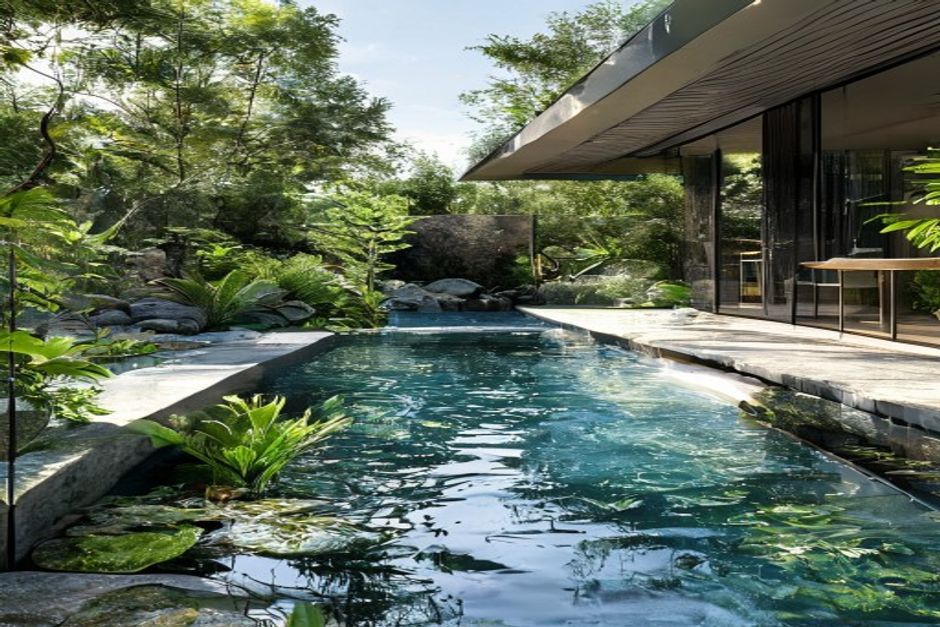
Japanese aesthetics continue to inspire water garden designers in 2026, but with a more refined approach better adapted to the climate and landscape of Transylvania. Zen water gardens are based on the principle of ma - negative space, the void that gives meaning to the full. Every stone, every plant, and every ripple of water has a precise place and a well-defined purpose.
Essential elements
A successful Japanese-inspired pond includes several key elements, carefully arranged to create an impression of natural simplicity:
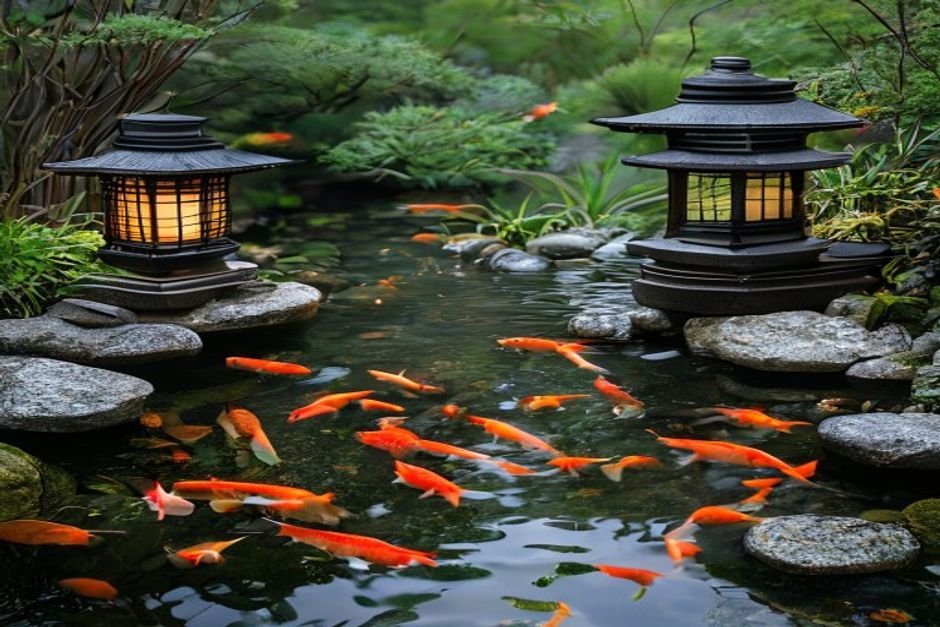
- Stone arrangements - groups of 3, 5, or 7 stones of different sizes, positioned asymmetrically following the ishigumi tradition
- Koi carp - the iconic fish of Japanese gardens, requiring a minimum depth of 1.2 m and a volume of at least 1,000 liters per adult fish
- Bamboo elements - shishi-odoshi (tipping) fountains or kakei spouts that add sound and movement
- Arched bridges - made of treated wood or stone, crossing the pond and inviting contemplation
- Stone lanterns - strategically placed near the water to create reflections on quiet evenings
The trend in 2026 is to combine traditional Japanese materials with local Transylvanian stone - the granite and andesite from the region suit this style very well. A compact Japanese pond can be created on an area of just 8-12 sqm, making it accessible even for medium-sized gardens.
Ponds integrated into terraces and living spaces
One of the most spectacular trends of 2026 is the integration of water elements directly into outdoor living spaces. We are no longer talking about a pond "somewhere in the garden," but about water becoming part of the terrace, the dining area, or the relaxation space. The boundary between interior and exterior fades, and water becomes the element that unifies the entire ambiance.
Popular architectural solutions
- Submerged glass walls - tempered glass panels 19-25 mm thick, mounted on the side of the pond, allowing observation of underwater life directly from the terrace or living room
- Crossing bridges - walkways made of wood or metal, positioned 10-15 cm above the water surface, crossing the pond and creating the sensation of walking on water
- Integrated water channels - decorative rills 30-50 cm wide, with flowing water, that delineate the functional zones of the terrace
- Reflection basins - water mirrors with a depth of only 10-15 cm, positioned next to large windows of the house to reflect the sky and vegetation
These projects require close collaboration between the architect, builder, and water feature specialist. At Iazuri Naturale, we recommend involving our team from the house or terrace design phase, since waterproofing, drainage, and recirculation installations must be planned in advance. The additional costs for integrating a water element into a terrace vary between 15% and 30% compared to a standalone pond, but the visual and experiential result fully justifies the investment.
Iazuri Naturale designs and installs custom filtration systems for any type of pond.
View our services →Smart technology for ponds
The year 2026 marks the moment when smart technology becomes truly accessible and reliable for ponds in Romania. While a few years ago intelligent solutions were expensive and complicated, today there are modular systems that you can install gradually, depending on your budget and needs.
Monitoring systems
Modern sensors measure essential water parameters in real time and transmit data directly to your mobile phone:
- pH sensors - monitor water acidity (ideal range: 6.8-7.5 for ponds with fish) and send alerts when values fall outside parameters
- Temperature sensors - track water temperature at different depths, essential for koi ponds during the cold season
- Turbidity sensors - measure water clarity and can automatically activate supplementary filtration systems
- Level sensors - detect water level drops (possible leaks or excessive evaporation) and can activate automatic top-up
Practical automations
- App-controlled pumps - start, stop, or adjust pump flow remotely, schedule operating cycles by hours or days
- Automatic feeding - programmable dispensers that release the correct amount of fish food at set times, with the ability to adjust portions from the app
- Programmed lighting - LED light scenarios that activate automatically at sunset and turn off at the desired time, with gradual transitions
- Adaptive filtration - systems that adjust their filtration intensity based on sensor data, saving energy during periods of clean water
A complete smart system for a medium-sized pond (20-40 sqm) can be implemented with a budget of 2,000-5,000 EUR, including sensors, the central hub, and installation. The investment pays for itself in 2-3 years through maintenance savings and prevention of costly problems.
Biodiversity and rewilding
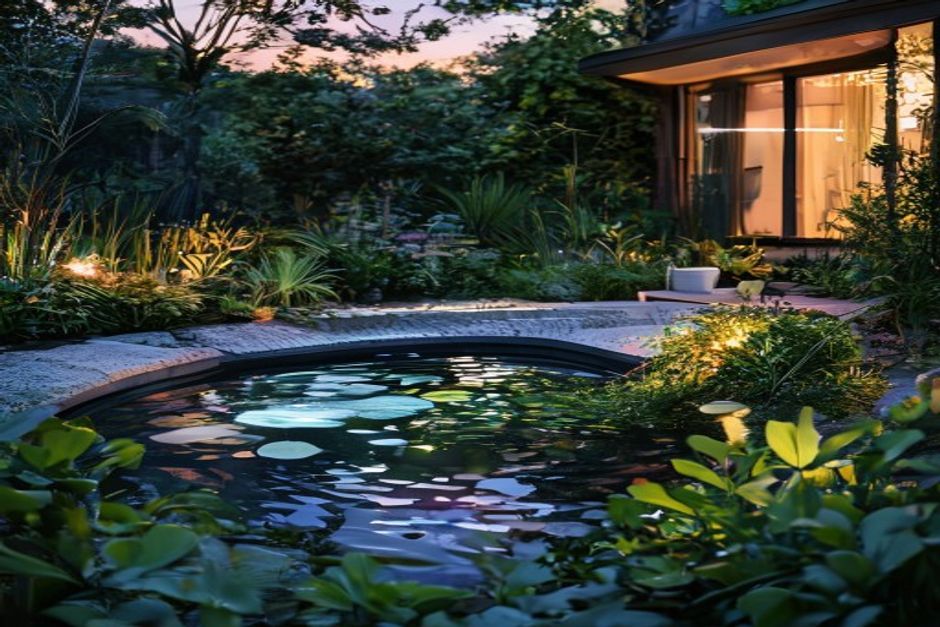
Perhaps the most important mindset shift of 2026 is the transition from the decorative pond to the pond as a living habitat. The concept of rewilding - bringing wild nature back into designed spaces - has reached the world of water gardens. We are no longer talking only about how a pond looks, but about what life it sustains.
"In recent years, we have observed a fundamental shift in our clients' requirements. More and more homeowners are asking us for ponds that attract wildlife - frogs, dragonflies, waterfowl. A well-designed pond is not merely a decorative element, but a small ecosystem that contributes to the health of the entire garden and the biological community in the area."
- The Iazuri Naturale Team
Strategies for increasing biodiversity
- Wildflower margins - a 1-2 m band around the pond, planted with native species such as vetch, clover, meadow sage, and sweet clover, which attract pollinators and beneficial insects
- Native aquatic plants - prefer local species: white water lily (Nymphaea alba), sedge (Carex), reed (Phragmites), frogbit (Hydrocharis morsus-ranae)
- Varied depth zones - create at least 3-4 depth levels (10 cm, 30 cm, 60 cm, 100+ cm) to accommodate species with different requirements
- Refuges and shelters - partially submerged log piles, stone heaps with cavities, and floating platforms provide breeding sites for amphibians
- Easy exits from the water - gentle ramps with a maximum slope of 20° allow small animals (hedgehogs, rodents) to climb out if they fall in accidentally
A pond designed for biodiversity naturally attracts frogs (especially the European tree frog, Hyla arborea, and the marsh frog, Pelophylax ridibundus), dragonflies (over 15 species are common in Transylvania), waterfowl, and a multitude of beneficial invertebrates. The result is a healthier garden with fewer pests and a natural ecological balance.
Submersible LED lighting
Underwater lighting has evolved spectacularly, and in 2026 the options are more varied, more energy-efficient, and more accessible than ever. A well-designed lighting system completely transforms the garden atmosphere after dark, highlighting textures, colors, and the movement of water.
Trends in aquatic lighting
- RGBW LEDs - four-channel light fixtures (red, green, blue, white) that can reproduce any color shade, including warm natural tones impossible to achieve with simple RGB
- Energy efficiency - modern LEDs consume 3-8 W per fixture, meaning a complete system of 10-15 spotlights runs at a total consumption below 100 W
- IP68 protection - submersible light fixtures with IP68 rating withstand permanent immersion at depths of up to 5 m
- Lifespan - quality LEDs offer 50,000-80,000 hours of operation, equivalent to over 15 years of daily use (4-5 hours/evening)
Lighting techniques
- Accent lighting - individual spotlights directed at key features: waterfalls, sculptures, spectacular plant groupings
- Perimeter lighting - a continuous line of light at the pond's edge, defining the contour and creating a sense of depth
- Bottom lighting - spotlights mounted on the pond bottom with upward-facing beams, making the water glow from within
- Floating lighting - solar-powered light fixtures that float freely on the water surface, ideal for events and special evenings
An important detail: for ponds with fish, avoid continuous lighting throughout the night. Fish need a natural day-night cycle. Program the lighting to turn off by 11:00 PM at the latest and use gradual transitions of 15-20 minutes for turning on and off, so as not to stress the aquatic fauna.
Need personalized advice? Our team offers free consultation for your project.
Schedule a consultation →Waterfalls and flowing water features
The sound of flowing water has a profound effect on well-being - studies show it reduces cortisol levels (the stress hormone) by up to 25% in just 10 minutes of exposure. In 2026, flowing water elements are becoming more sophisticated, more varied, and better integrated into the overall garden design.
Popular types of features
- Natural waterfalls - built from local stone, with water drops of 30-80 cm, positioned to create a pleasant sound without being disturbing. The ideal flow rate is 3,000-8,000 liters/hour, depending on the waterfall width
- Artificial streams - winding channels 40-60 cm wide, with a depth of 10-20 cm, connecting different areas of the garden. The ideal length is 5-15 m for optimal visual and acoustic effect
- Water curtains - vertical water falls over smooth surfaces of stainless steel or glass, with dramatic visual effect. They require a minimum flow rate of 2,000 liters/hour per linear meter of curtain
- Bubbling fountains - water bubbles that emerge discreetly among stones, perfect for small spaces. Energy consumption is minimal - 20-50 W for a subtle yet effective display
- Overflow vessels - ceramic or stone containers from which water continuously overflows, inspired by Mediterranean and Oriental traditions
Sound design
A new trend in 2026 is the conscious approach to sound design of water features. We no longer leave the sound to chance - we design it with the same attention we give to the visual form. The sound of a waterfall depends on the drop height, the water flow rate, the texture of the surface it falls on, and the shape of the receiving basin. A 50 cm water drop onto rounded stones produces a softer, more diffuse sound, while a drop onto sharp stones or onto a calm water surface creates a clearer, more rhythmic sound.
Our recommendation is to test the sound before finalizing the project, using a hose and a temporary pump, to adjust the height and angle of the water drop until you achieve the desired acoustic effect.
Sustainable construction materials
Sustainability in pond construction is no longer a luxury but a requirement of informed clients in 2026. The choice of materials has a significant impact on the environment, on the project's durability, and in the long run, on the total cost of ownership.
Waterproofing membranes
Choosing the membrane is one of the most important technical decisions:
- EPDM (synthetic rubber) - lifespan of 40-50 years, flexible at temperatures down to -45°C, UV resistant, recyclable. Recommended thickness: 1.0-1.14 mm. This is our preferred choice for most projects
- PVC - 30-40% cheaper than EPDM, but with a lifespan of only 15-20 years, less flexible in cold weather and harder to recycle. Recommended thickness: 1.0-1.5 mm
- Bentonite clay - a 100% natural option for rewilding-type projects, which works by clay swelling upon contact with water. Requires a minimum layer of 5 cm and a stable substrate
Stone and structural materials
- Local stone vs. imported - stone from Transylvanian quarries (Măcin granite, Deva andesite, Turda limestone) has a significantly lower carbon footprint than stone imported from China or India and integrates naturally into the local landscape
- Concrete vs. alternatives - traditional concrete can be partially replaced with fly ash or blast furnace slag blends, reducing CO2 emissions by up to 30%. For pond retaining walls, gabions filled with local stone are an excellent alternative
- Thermally treated wood - instead of chemically treated wood (with CCA or creosote, both toxic to aquatic environments), prefer wood thermally treated at 190-215°C, which gains durability without chemical substances
A principle we apply to every Iazuri Naturale project is the 100 km rule - we try to source at least 70% of the materials used from suppliers located within 100 km of the project site. This reduces transport costs, supports the local economy, and ensures materials adapted to the geological and climatic conditions of the area.
Small ponds for urban spaces
You do not need a vast property to enjoy a water feature. One of the most dynamic trends of 2026 is the miniaturization of ponds for urban spaces - balconies, courtyards, apartment gardens, and rooftop terraces.
Solutions for small spaces
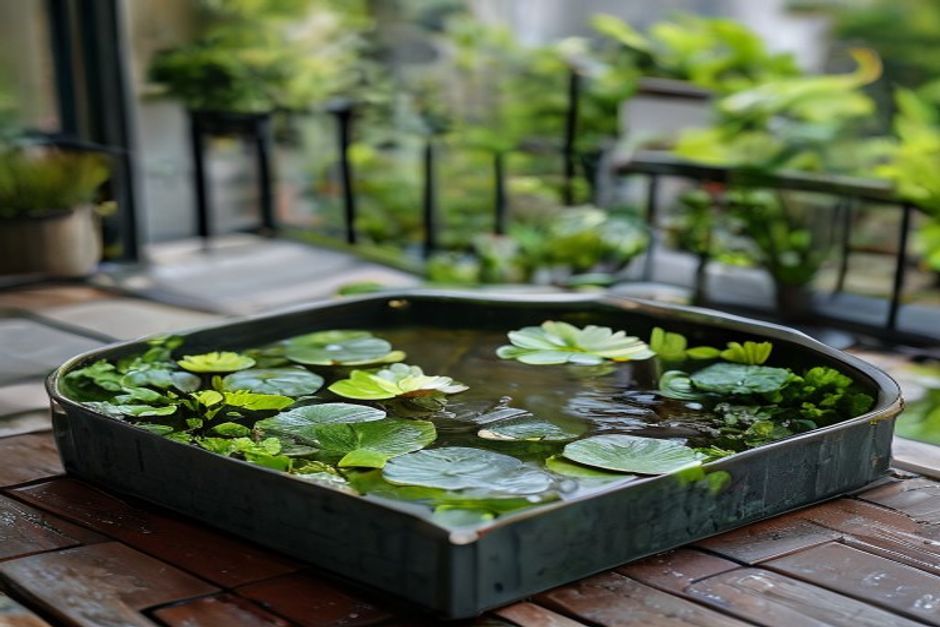
- Container ponds - vessels made of fiberglass, corten steel, or wood, with volumes of 200-1,000 liters. A 500-liter container can accommodate 2-3 aquatic plants, a few water snails, and even a small decorative fountain
- Mini garden ponds - on a minimum area of 2 x 1.5 m (3 sqm) and a depth of 60-80 cm, you can create a functional ecosystem with dwarf water lilies, oxygenating plants, and a few small fish (minnows or bitterling)
- Wall fountains - vertical systems that occupy only 30-50 cm in depth, mounted on an exterior wall, with water flowing down textured surfaces of stone or metal
- Potted water gardens - large ceramic vessels (60-90 cm diameter) transformed into mini-ecosystems, with dwarf water lilies (Nymphaea pygmaea) and floating plants
Technical considerations for small spaces
Small ponds have specific challenges that require careful management:
- Temperature fluctuations - a small volume of water heats up and cools down rapidly. Place the mini-pond in a partially shaded area (4-6 hours of direct sun) and use floating plants that cover 50-70% of the surface
- Evaporation - on hot days, a small pond can lose 2-5 cm of water per day. Install a simple automatic top-up system connected to the garden tap
- Maintenance - paradoxically, a small pond requires more attention than a large one, as the biological balance is more fragile. Check water quality weekly and remove fallen leaves
- Overwintering - small containers can freeze completely. Move fish indoors or use a small floating heater with a consumption of 50-100 W
Even on a 6 sqm balcony, you can install a water vessel, a few aquatic plants, and a small bubbling system powered by a solar panel. The relaxation effect is surprisingly powerful, and the sound of water attenuates urban noise.
Which trend suits your garden?
With so many options available, the choice can seem overwhelming. Here is a simple guide to help you identify the right direction based on three essential factors: available space, budget, and desired style.
By available space
- Under 5 sqm - container pond, wall fountain, potted water garden. Focus on LED lighting and compact sound elements
- 5-30 sqm - biodiversity garden pond, Japanese minimalist design, small waterfall. Possibility of partial terrace integration
- 30-80 sqm - terrace-integrated pond, artificial stream, complete smart system. Combinations of multiple trends
- Over 80 sqm - complete natural pool, rewilding zones, multiple waterfalls, complex landscape design
By budget
- Under 2,000 EUR - DIY container pond, simple fountain, basic LED lighting
- 2,000-8,000 EUR - professional 5-15 sqm garden pond, waterfall, filtration system, complete planting
- 8,000-25,000 EUR - terrace-integrated pond, elaborate Japanese design, smart system, professional lighting
- Over 25,000 EUR - natural pool, complex projects with glass walls, multiple waterfalls, complete automation
By lifestyle
- Relaxation and contemplation - Japanese minimalist design, reflection basins, the sound of flowing water
- Activity and swimming - natural pool, with integrated terrace zones
- Ecology and nature - biodiversity pond with rewilding, native plants, wildlife shelters
- Technology and control - smart systems, programmable lighting, app monitoring
- Entertainment and socializing - terrace-integrated pond, dramatic lighting, spectacular waterfalls
The most important piece of advice we can offer is to take your time. A well-designed pond will be a source of joy for decades, and a few extra weeks of planning can make the difference between a mediocre project and an exceptional one. Visit existing water gardens, study how a pond looks in all four seasons, and discuss with specialists before making final decisions.
The Iazuri Naturale team is at your disposal for consultation, design, and construction. With our experience accumulated across dozens of projects in Transylvania and throughout Romania, we can guide you toward the solution that best suits your space, your budget, and your dreams. Contact us for a free garden evaluation and a conversation about how you can transform your outdoor space into an oasis of tranquility and natural beauty.